Chris Rock, Theologian?
Like bread that sits on a countertop too long, ideas and attitudes harden over time. Something that once had a supple liveliness, the soft, yielding quality of a freshly baked loaf, grows hard and rigid over centuries of misperception. Prejudice is a powerful thing. It gets in the way of clarity and understanding.
The Hebrew Bible is the classic case. Christianity needed both to claim it and discredit it, to declare it foundational and to demote it in its hierarchy. Its stories were recast in the text of the Gospels so that Jesus was seen as a member of the House of David, destined to inherit messianic kingship. Its imagery was appropriated as a web of prefiguration. The mast of the ark that carried Noah through the flood became the salvific image of the cross of crucifixion. Everything was made to serve a new religious purpose, stripped of its independent, original value.
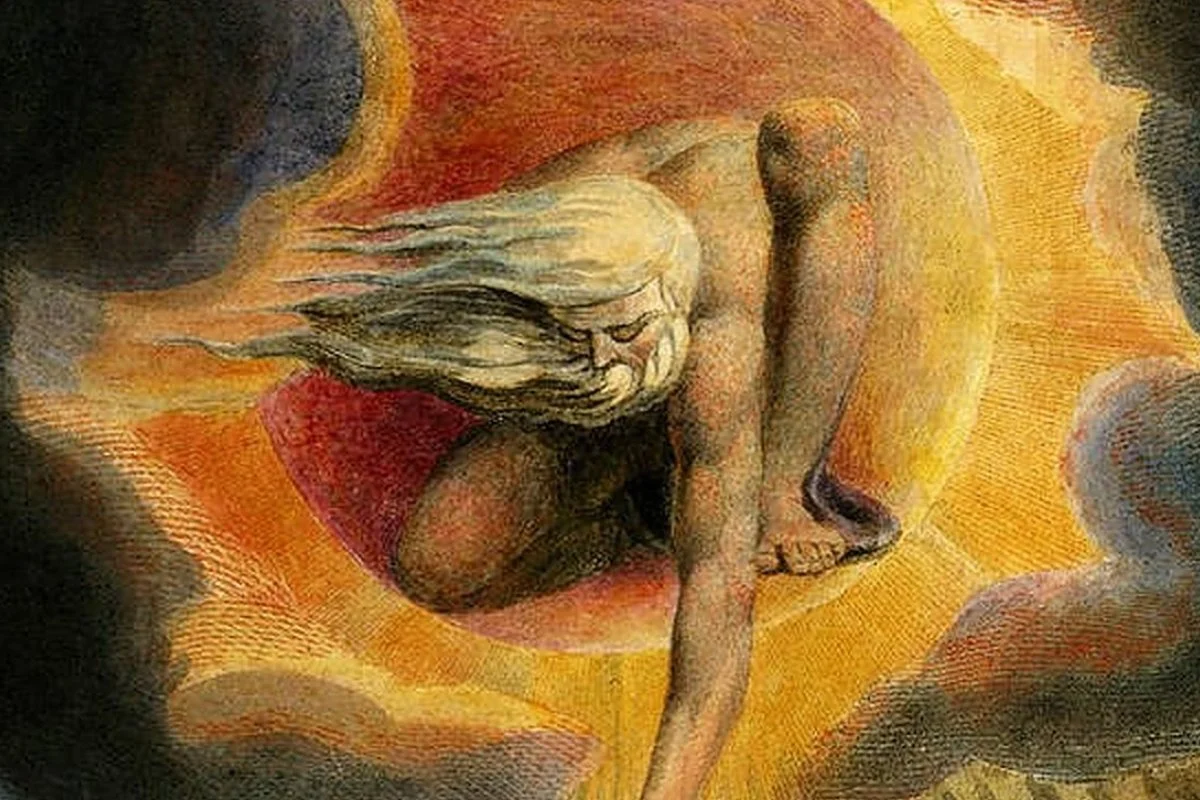
One of the linchpin transformations was the nature of God, the supposed shift from an unforgiving Deity incapable of forgiveness, to the beaming, gentle figure of Jesus whose martyrdom answered the question of sin and who offers the promise of tender absolution. The God of Torah is supposedly angry and unapproachable, committed to the categories of punishment and suffering. The God of the Christian Bible is understood as the opposite: a being who pulsates with love and tolerance. Woe to the people who are caught in the shackles of Torah. Glory to those who have superseded the Jews.
The most recent example of this theological fissure comes to us courtesy of the comedian Chris Rock. I may never have been his biggest fan, but there are those who say that he is the definitional comic, the greatest talent since practically everyone. In a recent interview in the New York Times, he had gorgeous things to say about forgiveness. It is the quality he looks for in everyone he loves. He would argue, I think, that it’s what makes us human.
Fine and dandy. I’m with him all the way. I’ve just come out of the High Holidays which foreground this truth and urge us toward atonement, self-cleansing, and forgiveness. But then came the thud of Rock’s misperception:
“I'm a Christian, and God forgives. The problem with quote, unquote, wokeness — and don't get me wrong, it is great that marginalized people have a voice; it is great to advocate for anybody that feels marginalized — but the problem is we're in the Old Testament right now, and the Old Testament has no forgiveness. The Old Testament didn't work, so they had to write a remix called the New Testament."
No disrespect intended, but I think that’s junk. Whatever wokeness may or not be, it’s not easy to see the connection with forgiveness. It hangs in this paragraph like a broken wing, incoherently positioned in a more important rant. That’s the one that has me concerned, an age-old judgment about the God of Torah.
I don’t deny that this God gets angry. Jesus, his son, is pretty much the same. When he enters the Temple and sees something he detests, he turns over the tables of the money-changing officials and short-circuits the technology of sacrificial atonement. Not only that, but he whips his victims with cords. There are no words of gentle persuasion, but the rough-and-tumble act of an angry deity.
Meanwhile, the God of Israel seems different, at least in the description of the prophet Micah:
Who is a God like You,
Forgiving iniquity
And remitting transgression—
Not staying angry forever
Toward the remnant of Your own people,
Because You love graciousness! [God] will take us back in love,
Quashing our iniquities…
Speaking for myself, I rather like this God, even if Chris Rock says He doesn’t exist. I also like the forgiveness He seems to inspire. When Joseph’s brothers sell him into slavery and he is promoted to a position of ultimate authority, he legitimately struggles with the burden of his feelings. But then Joseph forgives them for the horror of their treatment and gives them land, security, and a future.
All to say that the Torah is complicated. It’s just what you’d expect in a multi-vocal text, shaped over centuries by different human souls who experienced their God in a multitude of ways. I don’t expect Chris Rock to speak for Judaism, but I wish that there was room for nuance in his soul. I ask for forgiveness day after day, and I feel confident that my God welcomes my prayer and offers the cleansing power of His love. The Old Testament may have no forgiveness for Mr. Rock, but it has plenty of forgiveness for the likes of me.
—
No robots assisted in the writing of this entry.