The good thing about a blog is that you can always go back.
Earlier this week, I wrote about Pete Hegseth as one of the many malefactors in the current administration. Terrible people fly under the radar because RFK Jr. is still mucking around with health care while children in Pennsylvania are dying of measles. Pete Hegseth falls into the same sorry category, vacuuming up attention, airtime, and rebuke, while others stand outside the spotlight of the press.
But that doesn’t mean that we should stop talking about Hegseth. I said on Monday that he fails the Shakespeare test. When King Henry V addresses his troops, calling them to a St. Crispin’s Day victory, he uses language that shines a bright light on Hegseth. Shakespeare’s king cares little about appeareances. It wouldn’t occur to him to fret about weight ratios, or the facial hair on his ragtag soldiers. What matters is valor, honor, and England. I don’t think he would have called out the occasional woman motivated by a love for her sceptered isle to hoist a sword in defense of her countrymen. Hegseth, meanwhile, spews contempt on “trannies.”
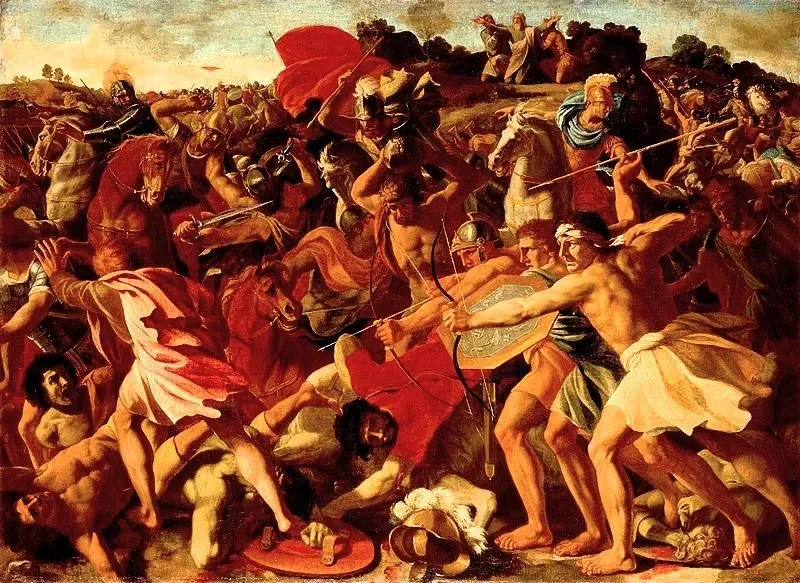
Deuteronomy offers a different perspective, equally vivid and no less condemnatory. Chapter 20 is the point of origin about what the God of Israel has to say about war. It utters many of the things you’d expect to hear about plunder, booty, and putting enemies to the sword. But it also demands a considered prelude. Fighting can’t begin without a tender of peace. Only if it is refused can the battle begin. Trump and Hegseth dream of destroying civilizations. Deuteronomy says reluctantly that is the last resort.
Not only that, but it speaks tenderly to the troops. It knows that war comes when it does, following no schedule, no prescribed order. Men called to war come from different circumstances. Some will just have built a house. Others will just have dedicated a vineyard. The lucky few will have gotten married.
To all these men, Deuteronomy says go home. It breaks the tender heart of this author to imagine a world which cannot honor human difference. It sees its army not as a monolith, some goose-stepping monster of fascist unity, but as a constellation of men with different lives and aspirations. There is no shame in this military equation, but a sympathetic understanding of human individuality.
With Hegseth, of course, it is all shame and condemnation—for fatties, beardos, weirdos, and especially trannies. The next time you hear our Secretary of Slaughter pledge his allegiance to biblical Christianity, remember the author of Deuteronomy. That voice from antiquity has something else to say, and it is not the violent snappishness of Peter Hegseth.